
Shower Repair in Fort Worth, TX
Call Us Now and Get Same-Day Service from the Best in Town!



A shower that loses water pressure halfway through a rinse, struggles to maintain a consistent temperature, or leaves water pooling around the drain can quickly become more than a daily inconvenience. Sometimes the problem is a worn shower valve or a clogged drain. Other times, water is escaping through a connection or shower pan and finding its way behind the walls or beneath the floor.
The important thing is understanding where the problem starts. Replacing a showerhead will not correct a failing valve, and clearing a drain will not solve a recurring backup caused by an underlying drainage issue.
At Rockwater Plumbing, we believe shower repair in Fort Worth, TX, should start with finding the root cause, not simply treating the visible symptom. We help homeowners diagnose shower plumbing problems, explain what needs attention, and recommend repairs based on the actual condition of the plumbing.

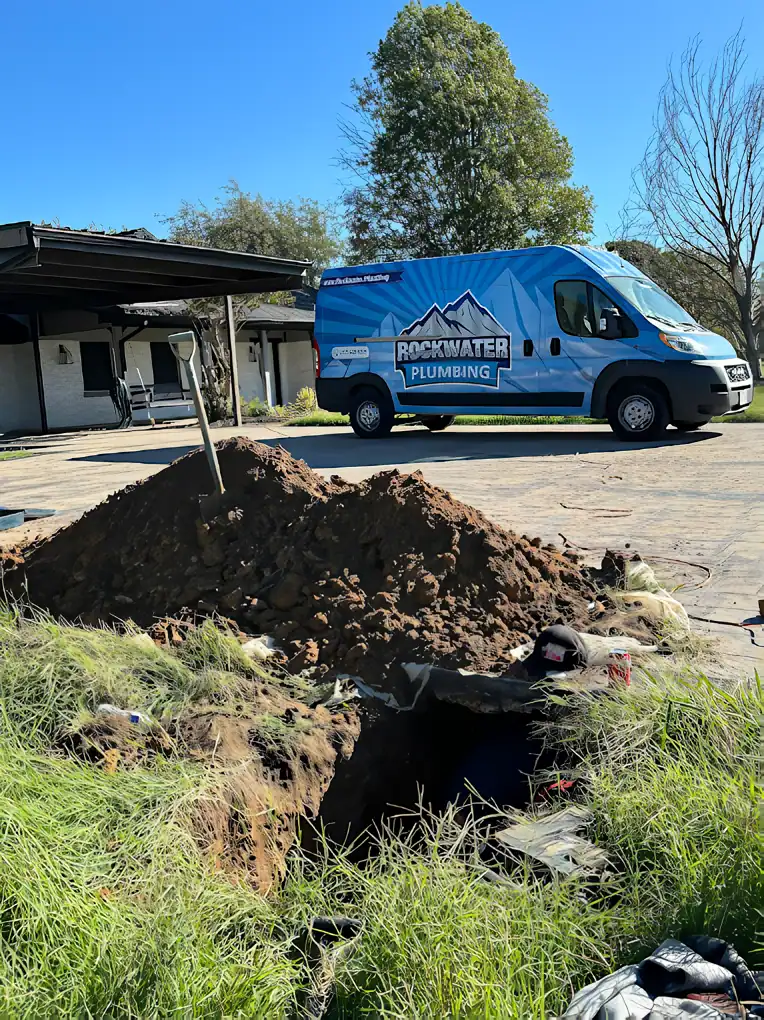
What does shower repair involve?
Shower repair involves diagnosing and correcting plumbing problems affecting the shower's water supply, mixing valve, drain, shower pan connections, and related plumbing components. Depending on the issue, repairs may include fixing or replacing a shower valve, correcting a leaking connection, restoring proper drainage, or addressing a plumbing problem that allows water to escape behind the shower.
If your shower is not working as it should, Rockwater Plumbing is ready to help you understand what is happening and determine the appropriate repair.
Professional Shower Repair Services in Fort Worth, TX
Your shower depends on several plumbing components working together. The water supply delivers hot and cold water, the mixing valve regulates temperature and flow, and the drain carries wastewater away.
When one component stops working properly, you may notice changes in water pressure, inconsistent temperatures, drainage problems, or signs of moisture around the shower.
At Rockwater Plumbing, we look at the connected plumbing before recommending a repair. Our bathroom plumbing services include the following shower-related work.
Bathtub Drain Repair
A bathtub drain should remove water steadily without leaving a pool around your feet. When water starts collecting in the tub or takes longer than usual to disappear, there may be a blockage or a problem with the drain assembly.
Common causes include:
- Hair and soap residue accumulating inside the drain.
- Debris restricting water movement.
- A damaged or deteriorating drain fitting.
- A blockage further along the drain line.
- Drain connections that have loosened or started leaking.
A basic blockage may be close to the drain opening, but recurring drainage problems can indicate something deeper in the plumbing.
Our team evaluates the symptoms and the condition of the drain before determining the appropriate next step. If the issue extends beyond the bathtub drain itself, we can investigate the connected drainage system.
Leaking Bathtub Drain Repair
A bathtub drain leak can be difficult to identify because the water may escape beneath the tub rather than appearing around the drain opening.
You may notice:
- Damp flooring near the bathtub.
- Water stains on the ceiling below an upstairs bathroom.
- A musty smell around the tub.
- Moisture near the bathtub's base.
- Water appearing underneath the tub after draining.
A leaking drain connection, worn seal, or damaged fitting may be responsible. However, the location of the water does not always identify the exact source.
The right repair begins with determining where the water is escaping. Our plumbers inspect the accessible connections and evaluate the plumbing before recommending a repair.
This is especially important when the leak has been happening for some time. Water that repeatedly escapes beneath a bathtub can affect surrounding flooring and other building materials.
Bathtub Faucet Repair
A dripping bathtub faucet may seem like a minor inconvenience, but it can waste water and indicate that an internal fixture component is no longer working properly.
Depending on the faucet design, the problem may involve:
- Worn washers or seals.
- A failing cartridge.
- Damaged valve components.
- Loose connections.
- Corrosion or mineral buildup affecting fixture operation.
Sometimes replacing a worn component is enough. In other situations, the condition of the faucet or valve makes replacement the more practical option.
We assess the fixture and explain what needs attention before recommending the repair. The goal is to restore proper operation without replacing components unnecessarily.
Bathtub Overflow Drain Repair
The overflow assembly is designed to help prevent water from spilling over the bathtub's edge when the water level rises too high.
It is connected to the bathtub's drainage system, and its components can develop problems over time. A worn gasket, loose connection, or deteriorating fitting may allow water to escape behind or beneath the tub.
Warning signs include:
- Water leaking near the overflow plate.
- Dampness behind the bathtub wall.
- Moisture appearing beneath the tub after filling it.
- Water stains on nearby walls or ceilings.
An overflow leak deserves attention because the water may travel behind finished surfaces before becoming visible.
Our plumbers can inspect the accessible overflow connections, identify the source of the leak, and determine what repair is appropriate.
Bathtub Water Supply Line and Plumbing Connection Repair
Your bathtub also depends on properly functioning water supply connections. These connections deliver water to the faucet and must remain secure to prevent leaks.
A loose fitting, deteriorating connection, or damaged section of pipe can cause water to escape inside a wall, beneath a fixture, or near the bathtub.
Look for warning signs such as:
- Unexplained moisture around the tub.
- Water stains on nearby walls.
- Changes in water pressure at the bathtub faucet.
- The sound of running water when the fixtures are turned off.
- Unexplained increases in water usage.
Not every water leak comes from the visible faucet or drain. Sometimes the problem is in the plumbing behind the fixture.
We look beyond the obvious symptom so the recommended repair addresses the actual source.
What Causes Bathtub Plumbing Problems?
Bathtub plumbing problems can develop gradually. Daily use, aging components, mineral deposits, and deteriorating connections can all affect how a bathtub operates.
Understanding the cause helps homeowners make better decisions about the repair.
Bathtub faucets, drain assemblies, seals, and pipe connections experience regular use. Over time, materials can wear down, seals can lose their ability to prevent leaks, and fittings may begin to fail.
This is particularly relevant in older Fort Worth homes where original plumbing fixtures and connections may have been in place for decades.
A repair that addresses only one worn component may not resolve a separate problem elsewhere in the system. That is why checking the surrounding plumbing matters.
Hair and soap residue are common reasons bathtub drains become slow.
As these materials accumulate, they restrict water movement through the drain. A small obstruction may initially cause only minor drainage problems, but continued buildup can eventually lead to a complete blockage.
If your bathtub repeatedly drains slowly after cleaning, the problem may extend further into the drain line.
Seals and fittings help prevent water from escaping at plumbing connections.
When a seal deteriorates or a fitting becomes loose, water may leak around the drain, overflow assembly, or supply connection.
These problems are not always visible from inside the bathtub. A plumber may need to inspect the accessible plumbing connections to determine where the leak begins.
Water pressure affects how plumbing fixtures and connections operate. Higher-than-normal pressure can put additional stress on plumbing components, potentially contributing to repeated leaks and fixture problems.
During bathroom plumbing calls, Rockwater considers water pressure, the age of the existing plumbing, and the condition of accessible supply connections.
The objective is to understand what contributed to the problem rather than simply replacing the first component that appears damaged.
Our Approach to Bathtub Repair
At Rockwater Plumbing, we believe homeowners should understand what is happening in their plumbing system before deciding how to proceed.
Our approach follows the same principle we bring to every service call: educate first, repair the actual problem, and do the work the right way.
1. Understand the Problem
We begin by listening to what you have noticed. Whether your bathtub is leaking, draining slowly, or experiencing faucet problems, those symptoms help guide the initial inspection.
We want to understand when the issue started, whether it happens consistently, and whether other fixtures are experiencing similar problems.
2. Diagnose the Root Cause
The visible symptom does not always reveal the source of the problem.
We evaluate the relevant bathtub plumbing components, including the faucet, drain, overflow assembly, supply connections, and accessible drain connections.
We also consider the age and condition of the existing plumbing.
3. Explain What We Find
Before recommending work, we explain the problem and why it happened.
You should understand whether the issue involves a worn fixture component, a leaking connection, a blockage, or another plumbing concern.
We do not believe in asking homeowners to approve work they do not understand.
4. Recommend the Appropriate Repair
Once we identify the issue, we explain the available repair options.
Depending on the diagnosis, that may involve repairing or replacing a fixture component, correcting a leaking connection, or addressing a drainage problem.
We focus on the repair that makes sense for the condition of your plumbing rather than automatically recommending a larger replacement.
5. Check the Repair
After the work is completed, the affected plumbing should be checked to make sure the repair addresses the reported problem.
We want you to understand what was done and why it was necessary.
Our standard is straightforward: we want homeowners to call us back because they need another plumbing service, not because the same problem was never properly resolved.
Book an Appointment
Fort Worth has many established neighborhoods with homes built decades ago. In areas such as Ridglea Hills, Westover Hills, Bluebonnet Hills, and Ryan Place, older plumbing fixtures and connections may need closer attention as they approach the end of their useful life.
A bathtub that has worked for years can eventually develop a leaking drain, a failing faucet, or deteriorating supply connections.
In older homes, the visible fixture is only part of the picture. The condition and material of the connected plumbing can influence which repair is appropriate.
For example, replacing a bathtub faucet may address a dripping fixture, but it will not resolve a separate leak in the supply connection behind the wall.
That is why we look at the plumbing around the reported problem. Understanding the condition of the system helps us recommend work based on what your home actually needs.
Not every bathtub plumbing problem requires a new bathtub.If the tub itself is in good condition but the faucet, drain, overflow assembly, or connected plumbing is failing, repairing the plumbing may be the appropriate option.
The distinction matters:
However, if the fixture has significant physical damage or the surrounding installation is failing, replacement may need to be considered.
Bathtub plumbing repair may be appropriate when:
- The bathtub faucet is leaking or not operating correctly.
- The drain is blocked or draining slowly.The overflow assembly has a leaking connection.
- A supply line or drain fitting needs attention.
- The bathtub is structurally sound, but its plumbing components need repair.
A larger replacement project may be worth considering when:
- The bathtub itself is no longer suitable for continued use.
- The fixture has substantial physical deterioration.A bathroom renovation requires different fixture placement.
- The existing installation has problems that cannot reasonably be addressed through isolated plumbing repairs.
If you are unsure which direction makes sense, start with an inspection. Understanding the condition of the fixture and its plumbing gives you a better basis for making that decision.
Why Fort Worth Homeowners Choose Rockwater Plumbing
At Rockwater Plumbing, we believe good plumbing work starts with serving homeowners well.
Our company was built around a simple idea: service over sales. That means explaining the problem, being honest about what needs attention, and recommending work based on the actual condition of the plumbing.
Here is what homeowners can expect from our approach:
- Education before recommendations: We explain the cause of the plumbing problem so you understand what needs to be addressed.
- Attention to the entire system: We consider related plumbing components rather than focusing only on the visible symptom.
- Long-term thinking: We aim to resolve the underlying issue instead of relying on temporary patches.
- Accountability: We believe in taking responsibility for our work and communicating honestly.
- Respect for your home: Our plumbers understand that entering someone's home is a responsibility, not just another service appointment.
We are not here to sell you work you do not need. We are here to help you understand your plumbing and make an informed decision about the repair.
Frequently Asked Questions About Bathtub Repair
What are the most common bathtub plumbing problems?
Common bathtub plumbing problems include slow or clogged drains, leaking faucets, faulty overflow assemblies, leaking drain connections, and damaged water supply connections. Some issues are caused by worn fixture components, while others involve blockages or problems in the connected plumbing.
Why is my bathtub leaking underneath?
Water beneath a bathtub may come from a leaking drain connection, worn overflow gasket, loose fitting, or damaged supply line. The water's location does not always identify the source, so the relevant plumbing connections should be inspected before choosing a repair.
How do I know if my bathtub drain is leaking?
Look for damp flooring near the tub, water stains on the ceiling below an upstairs bathroom, musty odors, or moisture appearing after the bathtub drains. These signs can indicate a leaking drain connection, although the source should be properly diagnosed.
Why does my bathtub faucet keep dripping?
A dripping bathtub faucet may have worn washers, seals, a failing cartridge, or damaged internal valve components. Mineral buildup and corrosion can also affect how the fixture operates. The appropriate repair depends on the faucet design and the condition of its components.
What causes a bathtub overflow drain to leak?
An overflow drain can leak when its gasket deteriorates, its connections loosen, or its fittings become damaged. Because the assembly is connected behind the bathtub wall, water may escape into areas that are difficult to see.
Can a plumber repair a leaking bathtub drain?
Yes. A plumber can inspect the bathtub drain assembly and connected plumbing to determine where water is escaping. Depending on the condition of the components, the repair may involve correcting a connection, replacing a fitting, or addressing another issue in the drain system.
When should I call a professional for bathtub plumbing repairs?
Contact a plumber when you notice recurring drainage problems, water leaking beneath the tub, a continuously dripping faucet, moisture around the overflow assembly, or unexplained water damage near the bathroom. If water is actively leaking, stop using the affected fixture and shut off the relevant water supply if you can safely access it.
Schedule Bathtub Repair in Fort Worth, TX with Rockwater Plumbing
A bathtub plumbing problem rarely gets better by ignoring it. A slow drain can become a recurring blockage, a dripping faucet can continue wasting water, and a small leak around a drain connection can damage the materials surrounding your bathtub.
At Rockwater Plumbing, we take the time to understand what is happening before recommending a repair. We believe homeowners deserve clear explanations, honest recommendations, and plumbing work that addresses the actual problem.
If you need bathtub repair in Fort Worth, TX, call Rockwater Plumbing at 817-383-8782. Our team is available 24/7 for plumbing emergencies and serves Fort Worth and surrounding DFW communities.
You can also visit our Contact Us page to request service.
Service over sales. Educate first. Fix once.