
Repiping in Fort Worth, TX
Call Us Now and Get Same-Day Service from the Best in Town!



A pipe leak under the sink is one thing. Finding another leak in the bathroom a few months later, noticing rusty water from the kitchen faucet, and dealing with weak water pressure throughout the house is another. When plumbing problems keep showing up in different areas, the issue may be bigger than a single damaged pipe.
At Rockwater Plumbing, we believe homeowners deserve to understand what's happening inside their plumbing system before deciding what needs to be fixed. Repiping in Fort Worth, TX, may be worth considering when aging, corroded, or deteriorating pipes continue causing problems. But replacing every pipe isn't always the right answer. The first step is identifying the root cause and determining whether a targeted pipe replacement or a whole-house repipe makes more sense.
What Is Repiping and When Does Your Home Need It?
Repiping is the process of replacing old, damaged, or deteriorating water supply pipes with new piping. Depending on the condition of the plumbing system, the work may involve replacing a small section or updating the supply lines throughout the entire home.
A professional plumbing assessment helps determine whether repiping is necessary. Some common reasons homeowners consider pipe replacement include:
- Recurring leaks: Multiple leaks in different areas may indicate that the existing pipes are deteriorating.
- Rusty or discolored water: Brown, reddish, or rust-colored water can point to corrosion inside older metal pipes.
- Low water pressure: Internal corrosion or mineral buildup can restrict water flow through aging pipes.
- Visible pipe damage: Rust, corrosion, and deterioration on exposed pipes may indicate problems in less accessible sections.
- Outdated plumbing materials: Older galvanized steel and polybutylene piping may require closer evaluation because of their known deterioration and failure concerns.
These warning signs don't automatically mean your entire plumbing system needs replacement. A single leaking connection may only need a repair. However, when problems keep returning, it's worth looking beyond the latest leak to understand why the pipes are failing.
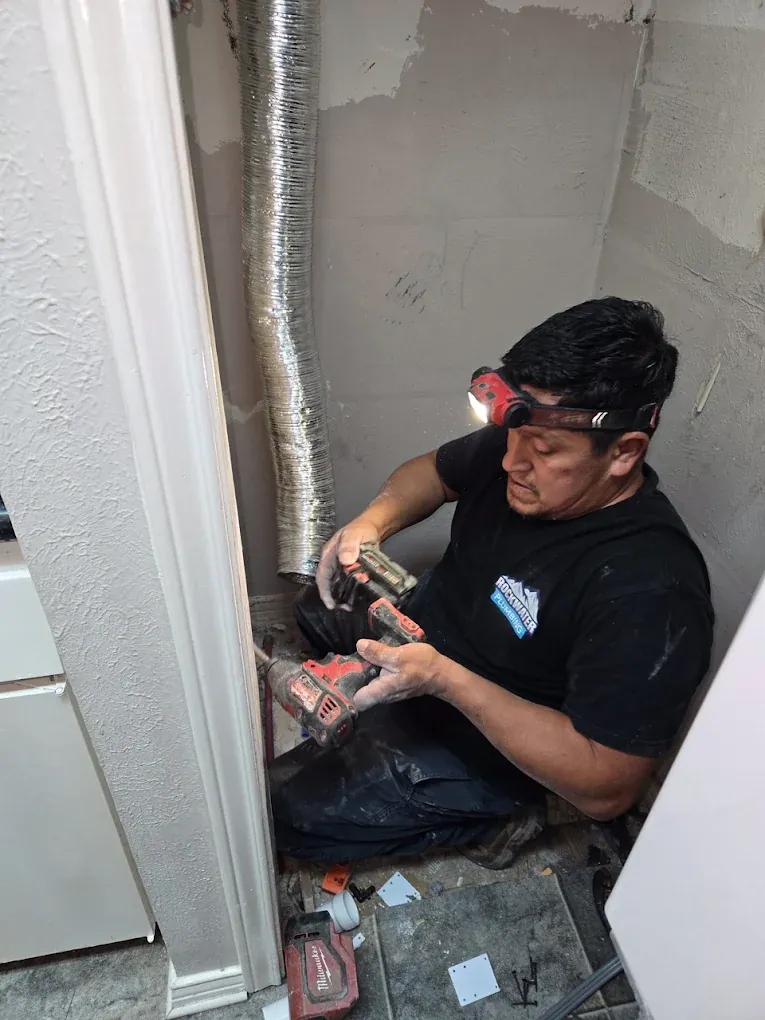
Work With the Team That Prioritizes Your Needs
The Rockwater Plumbing crew has been meeting the needs and exceeding the expectations of our local clients since 2016. We take pride in being a customer-centered residential plumbing company. We offer:
- Fair, upfront rates
- Friendly service technicians
- Prompt arrivals
- Multiple options so you can decide what's best for your needs
Signs Your Fort Worth Home May Need Repiping
Plumbing problems rarely happen without a reason. Understanding the symptoms can help you recognize when your home's water supply lines need a closer look.
Frequent or Recurring Pipe Leaks
One leak can happen because of a damaged fitting, loose connection, or isolated pipe failure. But when leaks start appearing in different areas, the condition of the plumbing system deserves attention.
For example, a homeowner might repair a leaking pipe under the kitchen sink, only to discover another leak near the bathroom a few months later. Repeated repairs may address each immediate problem without resolving the deterioration affecting the rest of the system.
The important question isn't just where the latest leak occurred. It's why the pipes keep failing.
Rusty or Discolored Water
Water that appears brown, orange, or reddish may indicate corrosion inside older metal supply pipes. Galvanized steel pipes are particularly susceptible to internal rust buildup as they age.
You might notice discoloration when turning on a faucet after the water has been sitting in the pipes for several hours. If the problem affects multiple fixtures, it's worth having the plumbing evaluated to determine whether the piping system is contributing to the issue.
Low or Inconsistent Water Pressure
Have your showers become weaker over time? Do several faucets seem to have less water flow than they used to?
Corrosion and mineral deposits can accumulate along the inside of older pipes, gradually reducing the space available for water to travel. This can restrict flow and affect multiple fixtures throughout the home.
However, low water pressure can also come from a pressure regulator, valve, fixture, or water supply problem. Proper diagnosis helps identify the actual cause before anyone recommends replacing pipes.
Visible Corrosion on Exposed Pipes
Take a look at accessible plumbing around your water heater, utility areas, and under sinks. Rust, discoloration, or deteriorating connections may indicate that the piping needs attention.
Visible damage doesn't tell the whole story, but it gives a plumber useful information when evaluating the condition of the system.
Book an Appointment
Whole-House Repiping vs. Partial Pipe Replacement
Not every plumbing problem requires a complete repipe. The right approach depends on the pipe material, the location of the damage, and the overall condition of the plumbing system.
When Partial Repiping Makes Sense
Partial repiping involves replacing a specific section of the plumbing system while leaving the remaining pipes in place.
This may be appropriate when:
- A leak is isolated to one section of otherwise healthy piping.
- A damaged connection or branch line needs replacement.
- The surrounding pipes are still in good condition.
- The problem can be corrected without replacing the entire supply system.
For example, if a plumber identifies one damaged pipe beneath a bathroom fixture and confirms that the surrounding plumbing is in good condition, replacing that section may be sufficient.
When Whole-House Repiping May Be Necessary
Whole-house repiping involves replacing the home's existing water supply piping with a new system.
It may be considered when:
- Multiple sections of piping are deteriorating.
- Galvanized pipes are showing widespread internal corrosion.
- Polybutylene piping is present and needs replacement.
- Leaks continue appearing in different areas.
- Water flow is restricted by widespread pipe deterioration.
The goal isn't to recommend the biggest project possible. It's to identify the extent of the problem and explain what work is actually necessary.
That's how we approach plumbing: let the plumbing lead to the plumbing.
Types of Pipes Used for Residential Repiping
Choosing replacement piping involves more than picking a material based on popularity. Different materials have different installation requirements, characteristics, and applications.
PEX Piping
PEX, or cross-linked polyethylene, is a flexible plastic piping material commonly used in residential water supply systems.
Its flexibility makes it easier to route through certain wall cavities and other tight spaces. PEX also resists corrosion and can reduce the number of connections needed in some installations.
For homeowners considering repiping, PEX is one option worth discussing with a plumber. The appropriate product and installation method should be based on the home's layout and applicable plumbing requirements.
Copper Piping
Copper has been used in residential plumbing for decades. It is a rigid metal piping material known for its durability and long history of use in water supply systems.
Unlike flexible PEX, copper requires more precise measuring, cutting, and joining during installation. Its suitability also depends on water chemistry, installation conditions, and compatibility with the existing plumbing.
CPVC Piping
CPVC, or chlorinated polyvinyl chloride, is another material used in residential hot and cold water distribution systems.
It is a rigid plastic pipe designed for plumbing applications. Its use depends on the product's approved application, temperature rating, local code requirements, and proper installation.
Each material has advantages and limitations. Rather than assuming one option works for every house, homeowners should understand why a particular material is being recommended.
What Happens During a Home Repiping Project?
1. Initial Plumbing Assessment
The first step is understanding the existing plumbing system. A plumber evaluates the symptoms, identifies accessible pipe materials, checks for visible deterioration, and determines whether the problem appears isolated or widespread.
2. Determine the Necessary Replacement Scope
After evaluating the system, the plumber explains whether partial pipe replacement or whole-house repiping is appropriate. This is where homeowners should have an opportunity to understand the findings and ask questions.
3. Select the Appropriate Pipe Material
The replacement material should suit the home's plumbing layout, water supply requirements, and applicable installation standards. The plumber should explain the available options and why one may be appropriate for the project.
4. Plan the Installation
Before work begins, the installation route and access points need to be considered. Depending on the home, plumbers may need access through walls, ceilings, attic spaces, or other areas where the existing pipes run.
5. Remove and Replace the Affected Pipes
The old or damaged sections are removed as necessary, and the replacement piping is installed and connected to the appropriate fixtures and plumbing components.
6. Test the New Plumbing System
The completed piping should be checked for leaks and proper operation. Testing helps identify installation issues before the project is considered complete.
7. Final Inspection and Walkthrough
Homeowners should understand what was replaced, what was tested, and whether any additional work or restoration remains necessary.
How to Prepare Your Home for Repiping
A repiping project can involve work in several areas of the home. A little preparation can help make the process easier for everyone.
Before installation begins:
- Clear access to sinks, toilets, utility areas, and other plumbing connections.
- Move furniture and personal belongings away from planned work areas.
- Discuss which walls or ceilings may need access openings.
- Ask when the water supply will be temporarily shut off.
- Confirm the expected work schedule with the plumbing team.
- Discuss who is responsible for drywall repairs, painting, and other restoration work.
The amount of disruption depends on the home's layout and the installation method. Your plumber should explain the expected access requirements before work begins.
Why Choose Rockwater Plumbing for Repiping in Fort Worth, TX?
At Rockwater Plumbing, our approach starts with a simple belief: homeowners deserve to understand the problem before paying for a repair.
We don't believe in recommending a major plumbing project without first understanding what's happening inside the system. A recurring leak might indicate deteriorating pipes, but it could also come from an isolated connection or another plumbing issue. The difference matters.
Our approach is built around education-first diagnostics, clear explanations, and finding the right repair for the actual problem.
We believe in:
- Understanding the root cause: We want to know why a pipe failed, not just where the water is coming from.
- Explaining the findings: Homeowners deserve to understand the condition of their plumbing and the reasons behind our recommendations.
- Choosing the right scope of work: If a targeted repair is sufficient, a full-house replacement shouldn't be the automatic recommendation.
- Doing the work properly: We believe in workmanship that addresses the underlying issue rather than relying on temporary patches.
- Taking responsibility: Our commitment doesn't end when the immediate repair is finished.
Kyle Barnard built Rockwater Plumbing around service over sales. That means helping homeowners make informed decisions, even when the right answer isn't the biggest project.
We want homeowners to call us back because they need another plumbing service, not because the same problem was never properly addressed.
Frequently Asked Questions About Repiping
What are the signs that my house needs repiping?
Common warning signs include recurring leaks, rusty or discolored water, low water pressure throughout the home, and visible pipe corrosion. Older galvanized steel or polybutylene piping may also warrant an evaluation. A plumber can assess the condition of your system and determine whether repairs or replacement are appropriate.
What is the difference between whole-house repiping and partial repiping?
Whole-house repiping replaces the home's existing water supply piping, while partial repiping replaces only specific sections. Partial replacement may be sufficient when the damage is isolated. Whole-house repiping may be considered when multiple sections are deteriorating or the existing pipe material is failing throughout the system.
Is PEX or copper better for repiping?
Both PEX and copper are used in residential plumbing. PEX is flexible and resistant to corrosion, while copper is a rigid metal material with a long history of use in water supply systems. The right choice depends on the home's plumbing layout, water conditions, installation requirements, and applicable codes.
How long does it take to repipe a house?
The timeline depends on the home's size, number of plumbing fixtures, pipe accessibility, and whether the project involves partial or whole-house replacement. The installation plan should include an estimated schedule and explain when water service may be interrupted.
Can I stay in my home during repiping?
In many cases, homeowners can remain in their homes during repiping. However, access to certain rooms and plumbing fixtures may be limited, and water service may need to be temporarily shut off during parts of the installation. Discuss the work schedule with your plumber before the project begins.
Will plumbers need to open my walls during repiping?
Some installations require openings in walls or ceilings to access existing pipes and connect new lines. The number and location of openings depend on the home's construction and plumbing layout. Ask your plumber to explain the planned access points and whether drywall repair or painting is included.
Does repiping improve water pressure?
It can, particularly when internal corrosion or mineral buildup has restricted water flow through aging pipes. However, low pressure can also result from other plumbing or water supply problems. A proper assessment helps determine whether replacing pipes will address the issue.
Do I need a permit for repiping in Fort Worth, TX?
Permit requirements depend on the scope of work and applicable local regulations. Homeowners should confirm the requirements with the City of Fort Worth or their plumbing contractor before starting a repiping project. Required inspections should also be discussed as part of the project planning.
Schedule Repiping Services in Fort Worth, TX
If your home has recurring leaks, rusty water, or water pressure that keeps getting worse, don't settle for repeatedly addressing the same symptoms without understanding the cause.
At Rockwater Plumbing, we believe the right plumbing work starts with the right diagnosis. We'll help you understand what's happening with your pipes and what options may make sense for your home.
Whether the situation calls for a targeted pipe replacement or a more extensive repiping project, our goal is to help you make an informed decision.
Contact Rockwater Plumbing today at 817-383-8782 or visit our contact page to discuss your plumbing concerns and schedule an assessment.