Plumbing Maintenance in Fort Worth, TX
The Key to Avoiding Costly Repairs



Nobody thinks about their plumbing system until something goes wrong, a burst pipe, a failed water heater, a sewer backup that floods the garage at the worst possible time. By then, what could have been a simple, inexpensive fix has turned into an emergency repair bill. At Rockwater Plumbing of Fort Worth, we believe the best plumbing repair is the one you never have to make, which is why routine plumbing maintenance is one of the most valuable services we offer homeowners and businesses throughout the area.
Plumbing maintenance in Fort Worth, TX refers to the routine inspection, cleaning, and upkeep of a home's water supply, drainage, and fixture systems to prevent leaks, clogs, and premature equipment failure. Regular maintenance helps identify small issues before they become expensive emergencies, extends the life of pipes and fixtures, and keeps water flowing efficiently throughout the home.
Below, we cover what plumbing maintenance actually involves, how often different components need attention, and the specific steps you can take to protect your plumbing system year-round.
Why Plumbing Maintenance Matters in Fort Worth
Fort Worth's combination of hard water, shifting clay soil, and seasonal temperature swings puts extra strain on residential plumbing systems. Mineral buildup from hard water gradually narrows pipes and reduces the efficiency of water heaters, while soil movement can put stress on underground lines and joints. Add in the normal wear and tear of daily use, and it becomes clear why routine maintenance is not just a nice-to-have, it is a practical way to protect one of the most important systems in your home.
Homes that receive regular plumbing maintenance tend to experience fewer emergency repairs, lower water bills, and longer-lasting fixtures and appliances. Skipping maintenance, on the other hand, often means small problems go unnoticed until they cause visible damage.
What Can I Do to Maintain My Plumbing System?
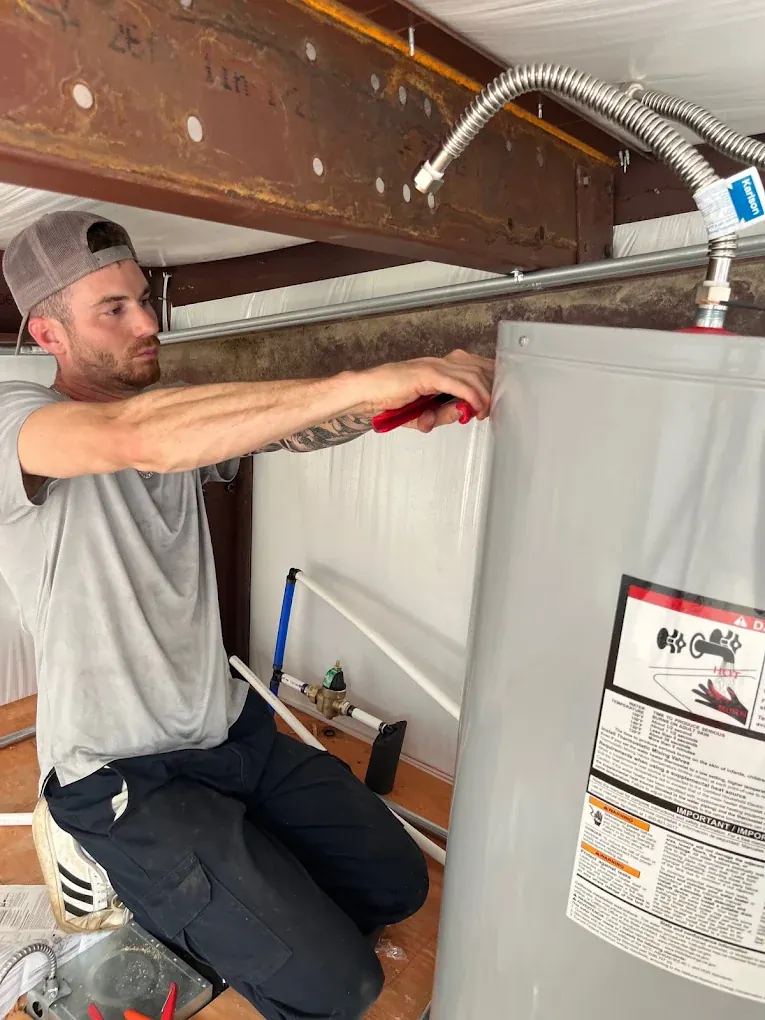
Plumbing maintenance includes both professional services and simple habits homeowners can practice between visits. A well-maintained system depends on consistency, not just occasional attention.
Practical ways to maintain your plumbing system include:
- Schedule annual plumbing inspections so a licensed plumber can check for hidden leaks, corrosion, and early signs of wear.
- Monitor your water pressure regularly, since sudden changes often indicate a developing leak or blockage.
- Avoid pouring grease, oil, or coffee grounds down drains, as these substances harden inside pipes and contribute to clogs.
- Use drain covers or strainers in sinks, tubs, and showers to catch hair and debris before it enters the plumbing system.
- Test your water heater's pressure relief valve periodically to confirm it is functioning correctly.
- Flush your water heater annually to remove sediment buildup that reduces efficiency and shortens its lifespan.
- Check exposed pipes and fittings for signs of corrosion, moisture, or discoloration.
- Address small leaks immediately rather than waiting for them to worsen or spread.
- Know the location of your main water shut-off valve in case of an emergency.
Combining these habits with professional plumbing maintenance gives your system the best chance of running efficiently for years without unexpected breakdowns.
How Often Should Pipes Be Replaced?
Pipe lifespan depends heavily on the material used and the conditions inside your home. While maintenance can extend the life of your plumbing, it cannot indefinitely delay replacement once pipes reach the end of their service life.
General pipe lifespans include:
Galvanized steel pipes
Typically last 40 to 50 years, but often begin corroding from the inside well before that, leading to reduced water pressure and discolored water.
Copper pipes
Can last 50 years or more with proper maintenance, making them one of the more durable options available.
PEX piping
Generally lasts 40 to 50 years and resists corrosion better than metal pipe materials.
Polybutylene pipes
Are considered outdated and prone to failure, and are frequently recommended for replacement regardless of the home's age.
Cast iron drain pipes
Typically last 50 to 100 years, but can crack or corrode over time, particularly in older homes.
Age alone is not the only factor to consider. If your home is showing multiple warning signs, such as recurring leaks, discolored water, or persistently low pressure, it may be time to consider repiping in Fort Worth, TX, even if the pipes have not reached their maximum expected lifespan. A professional inspection is the most reliable way to determine whether your current pipes need attention now or can continue to be maintained.
How Long Does a Water Heater Last With Proper Maintenance?
Water heaters are one of the most maintenance-sensitive components of a home's plumbing system, and how well they are cared for has a direct impact on how long they last. With proper maintenance, water heaters typically last:
Tank-style water heaters:
8 to 12 years, depending on water quality, usage, and how consistently they are maintained.
Tankless water heaters:
15 to 20 years or more, particularly when sediment is flushed regularly and the unit is not exposed to excessive mineral buildup.
Maintenance tasks that help extend water heater lifespan include:
Flushing the tank annually to remove sediment that settles at the bottom
Testing the pressure relief valve to confirm it opens and closes properly
Checking the anode rod periodically, since a worn anode rod allows the tank itself to corrode faster
Inspecting for leaks around fittings, valves, and the base of the unit
Adjusting the thermostat to an appropriate temperature to reduce strain on the system
Without regular maintenance, sediment buildup can cause a water heater to work harder than necessary, leading to higher energy bills, inconsistent hot water, and a shortened lifespan. If your water heater is underperforming despite maintenance, our team can evaluate whether a repair or a full replacement makes more sense for your household's needs.
Signs Your Plumbing System Needs Professional Attention
While routine maintenance helps prevent many issues, some signs indicate it is time to call a professional right away rather than waiting for a scheduled visit.
Contact a licensed plumber if you notice:
- Water stains on ceilings, walls, or flooring
- A sudden spike in your water bill without a clear explanation
- Multiple drains backing up at the same time
- Water pooling around the base of appliances or fixtures
- Unusual odors coming from drains
- Noticeable changes in water pressure throughout the home
Catching these signs early often means the difference between a straightforward plumbing repair in Fort Worth, TX and a much larger, more disruptive project.
Building a Plumbing Maintenance Routine
A consistent maintenance schedule does not need to be complicated. Many homeowners find success with the following approach:
- Monthly: Check for slow drains, test water pressure, and look for signs of leaks under sinks.
- Annually: Schedule a professional plumbing inspection, flush the water heater, and test the sump pump if applicable.
- As needed: Address any leaks, unusual noises, or drainage issues as soon as they appear, rather than waiting for the next scheduled check.
Pairing homeowner habits with professional plumbing services in Fort Worth, TX creates a maintenance routine that catches problems early and keeps your system running smoothly year-round.
What Is the Best Way to Maintain Kitchen Sink Drains?
Kitchen sink drains face heavier use than almost any other drain in the home, which makes them especially prone to clogs if they are not properly maintained.
Effective ways to maintain kitchen sink drains include:
- Never pour grease or cooking oil down the drain, since it solidifies inside pipes as it cools and traps other debris.
- Scrape food scraps into the trash before washing dishes, rather than relying on the disposal to handle everything.
- Run cold water when using the garbage disposal to help move waste through the pipes efficiently.
- Flush the drain with hot water weekly to help break down minor grease buildup before it accumulates.
- Avoid fibrous or starchy foods in the disposal, such as celery, potato peels, and pasta, which can wrap around the blades or expand inside the pipe.
- Schedule professional drain cleaning periodically to remove buildup that daily habits cannot fully prevent.
- Address slow drainage early, since a sink that drains slowly is often the first sign of a developing clog.
Consistent care can significantly reduce how often kitchen sinks back up, but even well-maintained drains benefit from periodic professional cleaning to clear buildup that accumulates deeper in the line, beyond what a homeowner can reach.
Book an Appointment
Frequently Asked Questions About Plumbing Maintenance
What can I do to maintain my plumbing system?
Homeowners can maintain their plumbing system by monitoring water pressure, avoiding grease and debris in drains, using drain covers, flushing the water heater annually, checking exposed pipes for corrosion, and scheduling annual professional inspections to catch hidden issues early.
How often should pipes be replaced?
Pipe lifespan depends on material. Galvanized steel typically lasts 40 to 50 years, copper can last 50 years or more, PEX generally lasts 40 to 50 years, and polybutylene is considered outdated and often needs earlier replacement. A professional inspection can confirm the actual condition of your pipes regardless of age.
How long does a water heater last with proper maintenance?
Tank-style water heaters typically last 8 to 12 years with proper maintenance, while tankless water heaters can last 15 to 20 years or more. Regular tank flushing, anode rod checks, and pressure relief valve testing all help extend the unit's lifespan.
What is the best way to maintain kitchen sink drains?
Avoid pouring grease down the drain, scrape food scraps into the trash before washing dishes, run cold water when using the disposal, flush the drain with hot water weekly, and schedule periodic professional drain cleaning to remove buildup that daily habits cannot reach.
Schedule Plumbing Maintenance in Fort Worth, TX Today
Routine plumbing maintenance is one of the simplest ways to protect your home from unexpected leaks, clogs, and costly repairs. Rockwater Plumbing of Fort Worth offers thorough, honest maintenance service designed to catch small issues before they become major problems. Explore our full range of plumbing services in Fort Worth, TX to see how we can help keep your system running smoothly.