
Sewer Line Repair in Mansfield, TX
How to Spot the Warning Signs Before They Become a Bigger Problem



A slow drain that never quite gets fixed. A faint sewage smell in the yard that comes and goes. A gurgle in the bathtub every time the toilet flushes. On their own, none of these seem urgent — but together, they're often the early language of a failing sewer line. That's exactly why sewer line repair in Mansfield, TX is one of the calls we take most seriously, because by the time most homeowners notice a problem, the pipe has usually been struggling for a while.
Sewer line repair in Mansfield, TX addresses damage to the underground pipe that carries wastewater from your home to the municipal sewer system or septic tank. Common causes include tree root intrusion, pipe age, ground shifting, and material deterioration, and the right repair depends on where the damage is, how severe it is, and what caused it in the first place. A proper diagnosis, usually starting with a video inspection, is what determines whether a section can be repaired or the line needs replacement.
Below, we'll walk through the warning signs, what actually causes a sewer line to fail, how plumbers pinpoint the problem, and what a lasting repair looks like once we know what we're dealing with.
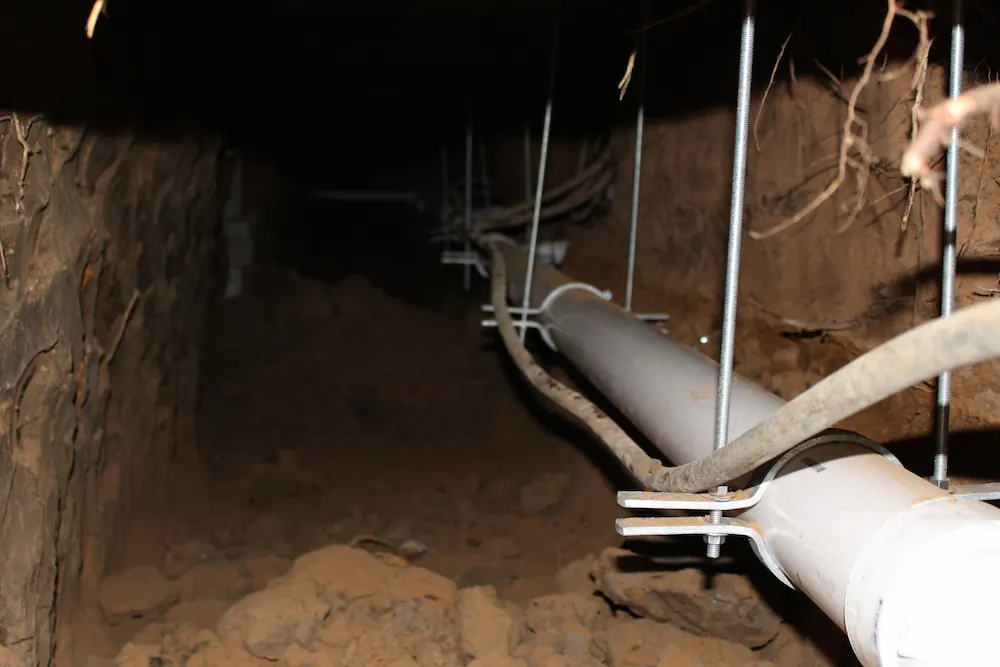
What Are the Signs of a Sewer Line Problem?
The clearest sign of a sewer line problem is slow or backed-up drains throughout the home — not just at one fixture — often paired with gurgling sounds, sewage odors, or unusually lush patches of grass in the yard above the line.
Because the sewer line serves the entire house, problems tend to show up in more than one place at once. Signs worth taking seriously include:
- Multiple drains backing up or draining slowly at the same time
- Gurgling sounds from toilets, tubs, or sinks when another fixture is used
- Sewage odors near floor drains, in the yard, or around the foundation
- Sinkholes, soggy patches, or unusually green grass over the sewer line's path
- Sewage backing up into the lowest drain in the home, often a basement or floor drain
- Cracks or shifting in the foundation slab that appear alongside drainage issues
- An increase in pest activity, since sewer gas and moisture can attract insects and rodents
Any one of these on its own might have another explanation. Several of them together, especially multiple slow drains at once, is a strong signal the problem sits in the main line rather than an isolated fixture. If you're noticing this pattern, it's worth having the line inspected before it progresses to a full backup.
What Causes a Sewer Line to Collapse?
A sewer line typically fails or collapses due to a combination of pipe age, material deterioration, tree root intrusion, and ground movement, with older clay or cast iron pipes being especially vulnerable over time.
The most common causes we see across Mansfield and the surrounding DFW area include:
- Tree root intrusion. Roots are drawn to the moisture inside sewer lines and can work their way into small cracks or joints, gradually expanding until they block or crush the pipe.
- Pipe age and material. Older homes often have clay, cast iron, or Orangeburg pipe, all of which degrade over decades and become more prone to cracking, corrosion, or collapse.
- Soil movement. North Texas clay-heavy soil expands and contracts significantly with moisture changes, putting ongoing stress on underground pipes and joints.
- Bellied or sagging sections. Over time, a section of pipe can sink lower than the rest of the line, creating a low point where waste and debris collect instead of flowing through.
- Corrosion and material breakdown. Metal pipes corrode from the inside out over years of exposure to wastewater, eventually weakening to the point of failure.
- Physical damage. Construction work, heavy equipment, or even foundation settling can crack or shift a sewer line that was previously intact.
This is exactly why we don't treat a sewer line issue as a single symptom to patch. Let the plumbing lead to the plumbing — a backup or a slow drain is the visible result, but the actual cause is almost always something structural, and that's what determines whether a repair will actually last.
How Long Does a Sewer Line Last Before Needing Replacement?
Sewer line lifespan varies significantly by material: clay and cast iron pipes typically last several decades but become increasingly prone to failure as they age, while modern PVC piping generally offers a longer service life with less susceptibility to root intrusion and corrosion.
A few factors that influence how long a specific sewer line will hold up:
Pipe material
Older materials like clay, Orangeburg, and cast iron degrade faster than modern PVC.
Soil conditions
The shifting clay soil common across the DFW Metroplex puts more stress on pipes than more stable ground would.
Tree proximity
Homes with mature trees near the sewer line's path are more prone to root intrusion regardless of pipe age.
Maintenance history
Lines that have never been inspected or cleared are more likely to develop undetected problems than those with a maintenance history.
Original installation quality
How the line was originally graded, joined, and bedded affects how well it holds up over time.
There's no single number that applies to every home, which is why age alone isn't a reliable way to predict whether a line needs attention. A twenty-year-old line in the wrong soil conditions can fail faster than a fifty-year-old line that's been well maintained. This is part of why we recommend a video inspection rather than guessing based on the home's build date.
How Do Plumbers Find a Sewer Line Problem?
Plumbers typically locate a sewer line problem using a video camera inspection, where a waterproof camera is fed through the line to visually identify blockages, cracks, root intrusion, or collapsed sections in real time.
The diagnostic process generally includes:
Video camera inspection
A camera on a flexible cable travels through the line, giving a direct look at the pipe's interior condition and pinpointing the exact location and nature of the problem.
Locating equipment
A transmitter on the camera head allows the technician to mark the problem's exact location from above ground, which matters for planning any excavation.
Hydrostatic or pressure testing
in some cases, to confirm whether a section is holding water properly or leaking.
Visual and odor assessment
of the yard and foundation area, which can offer early clues before the camera confirms the specific issue.
What a Real Sewer Line Repair Looks Like
Once we know exactly what's happening underground, the repair approach depends on the severity and location of the damage. Options generally fall into a few categories:
- Spot repair. If damage is isolated to a short section, that portion can sometimes be excavated and replaced without disturbing the entire line.
- Trenchless repair methods, where applicable, which can address certain types of damage with less excavation than a traditional dig.
- Full line replacement, when the pipe has deteriorated broadly or is made of an outdated material prone to repeat failure.
The right approach isn't about picking the least invasive option by default — it's about matching the repair to what the camera inspection actually shows. A spot repair on a line that's failing throughout its length just delays the next call. That's not the kind of fix we put our name on. For broader pipe issues beyond the main sewer line, our pipe repair services in Mansfield, TX cover water and drain lines throughout the home, and when a full line has reached the end of its usable life, our sewer line installation services in Mansfield, TX handle the complete replacement.
Why Mansfield Homeowners Trust Rockwater With Sewer Line Work
Sewer line problems are disruptive, and it's tempting to want the fastest possible resolution. But a sewer line runs under your yard, sometimes under your foundation, and getting the diagnosis wrong means digging in the wrong place or repairing the wrong section. We won't cut that corner.
Every sewer line call from our team includes:
- A real video inspection before any repair recommendation, not a guess based on symptoms alone
- A clear explanation of what caused the failure, not just what fixing it will involve
- An honest recommendation between spot repair, trenchless options, or full replacement, based on what the camera actually shows
- Techs who train regularly and are held to the same diagnostic standard on every job
Mansfield has a real mix of older, established neighborhoods and newer construction, and the sewer lines underneath reflect that same range — different ages, different materials, different soil conditions. We treat every property according to what's actually happening underground, not a generic script.
We're not the cheapest call you'll find for sewer line repair in Mansfield, and we're proud of that. We're here to give the most value, which for a sewer line means a repair that holds, not one that has you calling again in a year. For the rest of what we handle beyond sewer lines, our full range of plumbing services in Mansfield, TX covers everything from routine maintenance to full diagnostics across your home's plumbing system.
Book an Appointment
Frequently Asked Questions
How urgent is a sewer line repair?
It depends on the severity. A slow, developing issue can often be scheduled and diagnosed before it becomes a full backup. Active sewage backup into the home, however, should be treated as an emergency and addressed immediately.
Can tree roots be removed from a sewer line without replacing the whole pipe?
In many cases, yes. Root intrusion can sometimes be cleared and the affected section repaired, depending on how much damage the roots have caused to the pipe itself. A video inspection determines whether the pipe is still structurally sound enough for that approach.
Does homeowners insurance typically cover sewer line repair?
Coverage varies significantly by policy and by the cause of the damage. It's worth checking your specific policy, and in some cases a separate sewer line endorsement, to understand what's covered.
How disruptive is a sewer line repair to my yard or foundation?
It depends on the repair method and the extent of the damage. A spot repair typically involves less excavation than a full replacement. We'll walk you through exactly what to expect for your specific situation before any work begins.
How can I prevent future sewer line problems?
Routine video inspections, especially for homes with mature trees or older pipe materials, can catch developing issues before they become emergencies. Being mindful of what goes down drains and toilets also reduces stress on the line over time.
Get Your Sewer Line Properly Diagnosed
If you're noticing slow drains, gurgling sounds, or sewage odors around your Mansfield home, don't wait for it to turn into a full backup. The earlier a sewer line issue is diagnosed, the more options you typically have for addressing it.
Call Rockwater Plumbing today or reach out through our contact us page to schedule a video inspection. We'll show you exactly what's happening underground, explain what caused it, and recommend the repair that will actually hold.